Passport Photo Hair Rules (2026): Approved Hairstyles and Requirements
Last Update: February 23, 2026
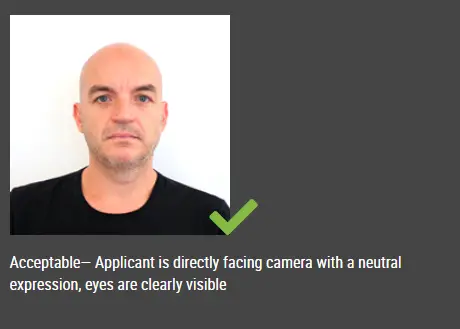
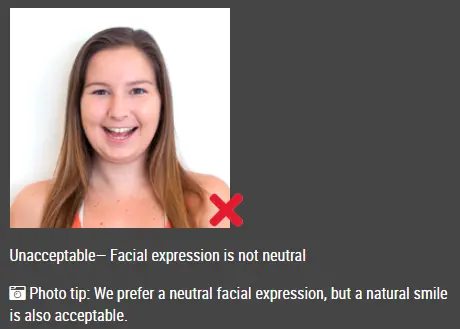
When taking a passport photo, most people focus on clothing or facial expression. Hair is often overlooked, yet it’s one of the most common reasons passport photos get rejected. Even small issues, like hair covering the eyes or casting shadows across the face, can cause problems during identity verification.
For full official rules, see our complete guide to passport photo requirements.
Understanding Passport Photo Hair Requirements
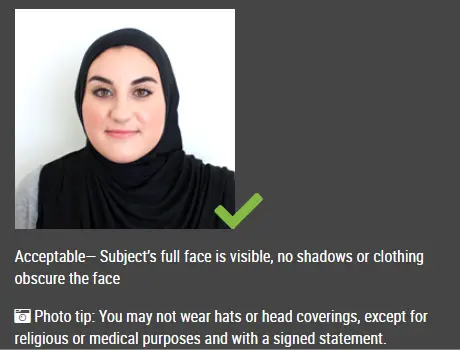
The most important requirement is clear facial visibility. Your hairstyle is acceptable as long as it does not interfere with identification.
In most countries, passport photo guidelines require:
-
Eyes fully visible
-
No hair covering the face
-
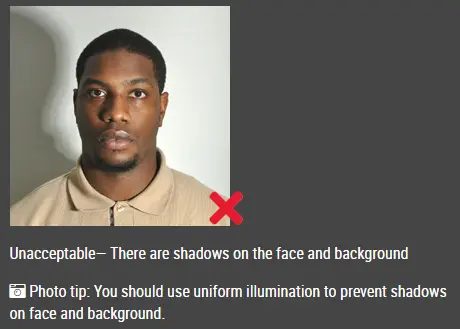
No shadows from hair
-
Full head visible in the frame
-
Natural appearance
These standards are based on biometric passport photo requirements used worldwide.
Approved Hairstyles for Passport Photos
You usually don’t need a special haircut for a passport photo. Simple, neat hairstyles work best.
Common passport-approved hairstyles include:
-
Hair tied back in a low ponytail
-
Hair tucked behind the ears
-
Short natural hairstyles
-
Loose hair kept behind the shoulders
-
Simple buns
-
Braids that do not cover the face
These styles help keep the face symmetrical and clearly visible, which improves photo acceptance.
Hair Situations That Can Cause Passport Photo Rejection
Many rejected photos happen because hair blocks facial features or affects lighting.
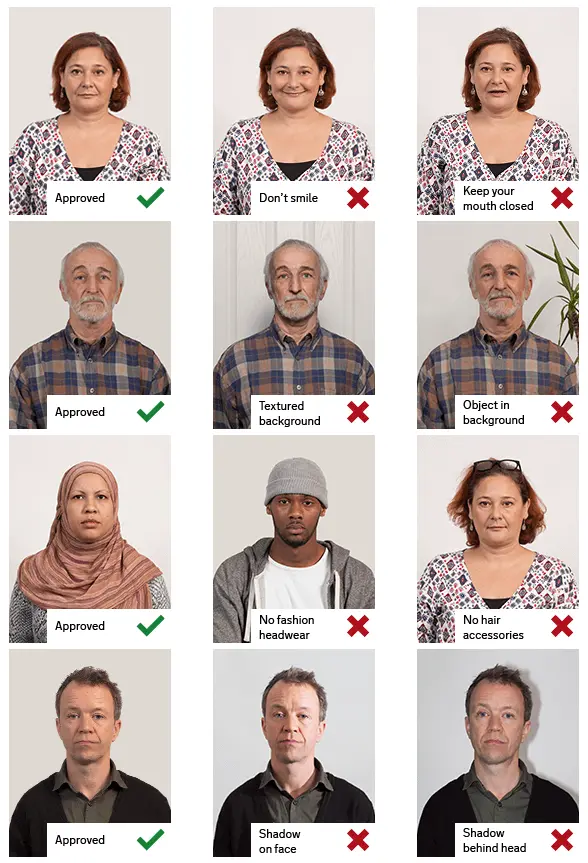
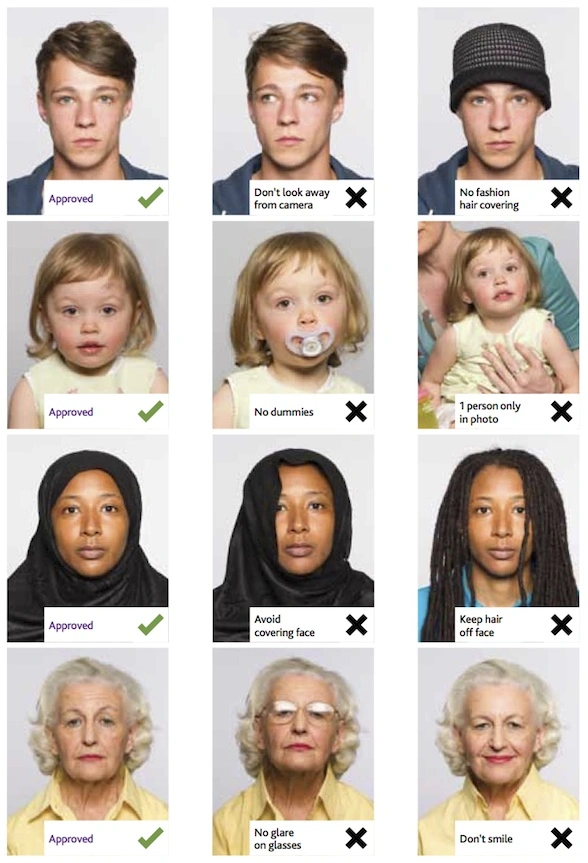
Watch for these common issues:
-
Bangs covering the eyes or eyebrows
-
Hair falling across the cheeks
-
Very high-volume hairstyles
-
Shadows created by thick hair
-
Large hair accessories
-
Hats or non-religious head coverings
Lighting combined with hair placement is often the main problem.
Should You Tie Your Hair Back for a Passport Photo?
Tying your hair back is not required, but it is often recommended. Pulling hair away from the face makes your facial outline easier to see and reduces shadows.
For people with long or layered hair, tying it back can significantly improve photo clarity.
Are Bangs Allowed in Passport Photos?
Yes - bangs (fringe) are allowed in passport photos if they do not cover the eyes.
Your photo should clearly show:
-
Eyes
-
Eyebrows
-
Both sides of the face
If necessary, lightly pin or part your bangs to keep them from blocking your eyes.
Do Passport Photo Hair Rules Differ by Country?
Passport photo hair requirements are very similar worldwide because most countries follow ICAO biometric photo standards.
Examples include:
-
US passport photo requirements
-
UK passport photo rules
-
Canada passport photo guidelines
-
Singapore passport photo requirements
While minor differences exist, clear facial visibility is always the priority.
Practical Tips Before Taking Your Passport Photo
These simple steps can help ensure your photo is accepted the first time:
-
Comb hair away from your face
-
Keep both sides of your face visible
-
Avoid shiny styling products
-
Use even lighting
-
Remove large accessories
-
Make sure the top of your head is visible
-
Keep your hairstyle natural
Why Passport Photo Hair Rules Matter
Passport photos are used in identity verification systems and biometric scanners. Clear facial images allow authorities to confirm identity quickly and accurately.
Hair that hides facial features can interfere with recognition technology, which is why passport photo guidelines are strict.
The purpose of these rules is not to control appearance - it is to ensure your photo represents you clearly.
FAQ: Passport Photo Hair Rules
Can hair cover ears in a passport photo?
Usually yes, as long as the face is fully visible.
Can I have long hair in a passport photo?
Yes. Long hair is allowed if it does not cover your face.
Can I wear a bun in a passport photo?
Yes, provided the bun does not extend beyond the frame.
Are hair accessories allowed in passport photos?
Small, non-distracting accessories are usually acceptable.
Click here to make passport / visa photos